Zinc — Established Nutrient Role
An essential mineral with authorised roles in maintaining normal testosterone levels, normal immune function and normal cognitive function. Alongside magnesium, the most firmly grounded ingredient in the bottle. See the NIH Zinc fact sheet →
Magnesium — Established Nutrient Role
Involved in hundreds of enzymatic reactions, with recognised roles in normal muscle function, protein synthesis, electrolyte balance and the reduction of tiredness and fatigue.
Ashwagandha — Randomised Human Trials
An adaptogenic herb central to Ayurvedic practice for over two thousand years, examined in randomised trials for the body's response to everyday stress and perceived sleep quality. Read the NCCIH overview →
Rhodiola Rosea — Studied For Fatigue
An Arctic adaptogen with a research base focused on mental fatigue and perceived exertion. Trials are generally small and quality varies.
Bacopa Monnieri — Studied Over 8-12 Weeks
An Ayurvedic herb whose bacosides are the most consistently studied plant compounds for memory retention and rate of learning, with outcomes measured cumulatively.
Ginkgo Biloba — Circulation Research, Mixed
Examined largely around cerebral circulation and cognitive measures with results that have not converged. Important safety note: may affect platelet function. Read the NCCIH overview →
Green Tea Extract — Polyphenol Antioxidant
Studied for antioxidant activity and metabolic markers. Carries a small amount of naturally occurring caffeine, making this formula low-stimulant rather than stimulant-free.
Turmeric — Curcumin Research
Its curcuminoids are among the most heavily researched plant compounds of the last two decades, chiefly around inflammatory markers. Bioavailability is the perennial limitation.
Grape Seed Extract — Proanthocyanidin Antioxidant
Rich in oligomeric proanthocyanidins, studied for antioxidant activity and vascular measures.
Maca Root — Traditional Use
A cruciferous root grown above 4,000 metres in the Peruvian Andes, eaten there for centuries to support energy and endurance. Modern research is early-stage.
Elderberry & Echinacea — Traditional Immune Use
Two of the best-known traditional immune botanicals. Elderberry has a small literature around upper-respiratory symptom duration; echinacea's trial record is famously inconsistent.
Spirulina — Nutrient-Dense Algae
A blue-green algae supplying protein, B vitamins and pigments with antioxidant properties — a nutritional inclusion rather than a mechanistic one.
The interactions that matter most
Ginkgo may affect platelet function (anticoagulant caution), Ashwagandha may influence thyroid hormone measures, and green tea extract interacts with several drug classes. If you take prescription medication of any kind, photograph the full ingredient panel and show it to your pharmacist before ordering.
Try Horsewood Risk-Free
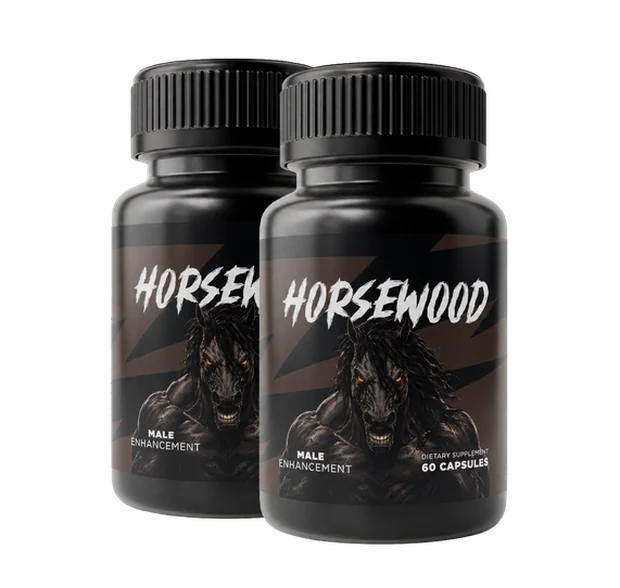
A daily capsule with 13 named ingredients. Backed by a 60-day money-back guarantee.
See Pricing & Order